
"Ethiopian coffee alternative"
200 article(s) found

Ethiopia Coffee bulk Commercial Bean producing area: Tana Lake (alternative producing area) 09
Ethiopia Coffee bulk Commercial Bean producing area: Lake Tana (alternative producing area) elevation: 1840 meters forest system monastery coffee, the annual output of the surrounding forest coffee is very small, less than 10 tons, in fact, it can not be called a producing area. Lake District is full of Orthodox monasteries, churches, religious murals and myths, creating the most divine coffee in the world. European monks opened up local coffee.
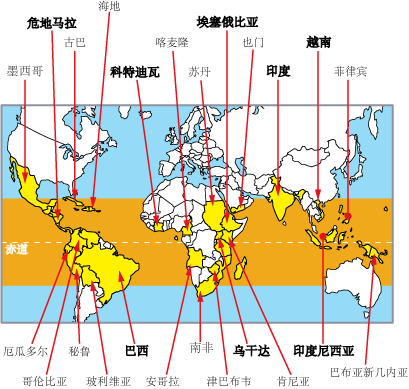
Ethiopian coffee producing areas Ethiopian coffee producing areas are Hilda Moharal and Yega Xuefei.
Ethiopia's coffee-producing areas are divided into east and west parts by the Great Rift Valley. Lakes, volcanoes, lowlands, plateaus and woodlands alternate and evolve independently. Ethiopia has the most diverse coffee ecosystem in the world (forest coffee, semi-forest coffee, pastoral coffee and plantation coffee), which also allows it to preserve its rich Arabica genes. The eastern half is mostly plateau, coffee beans

A brief introduction to the grading system of Ethiopian, Ethiopian and Bancimaji coffee beans
In the West, Ethiopian coffee is generally sold on the market as Yega Feixidamo and Harald (Yirgacheffee, Sidamo and Harrar). In the field of boutique coffee, there are also five other small places of coffee, namely Lim, Gemma, Le Campdi, Becca and Limmu, Djimmah, Lekempti, Bebeka and Wolega. What you see most often is

Trabocca of the Netherlands will hold The Ethiopian Cup Ethiopian Cup Coffee auction
For more information on coffee beans, please follow the promoters of the Red Cherry project in Coffee Workshop (official Wechat account cafe_style). Trabocca, a Dutch raw bean trading company, is preparing to hold an Ethiopian Cup Coffee Competition, a coffee raw bean competition auction plan to select the best quality coffee in this coffee birthplace. This company is headquartered in A

Ethiopian Sidamomo Coffee Taste characteristics and quality characteristics treatment method Grinding degree extraction time
Ethiopian Blue Mountain Coffee: originated in Jamaica, named after the Blue Mountains surrounded by the Caribbean Sea. Sour, sweet, bitter taste are very harmonious and have excellent flavor and aroma, suitable for individual coffee, suitable for moderate roasting. Java coffee: Origin: Sumatra, Indonesia. It belongs to Arabica. After baking, the bitter taste is extremely strong and the aroma is very light, without sour taste. Conna Coffee: production

What brand of Ethiopian coffee do you recommend? Ethiopian coffee cultivation is in the right place at the right time.
Professional coffee knowledge exchange more coffee bean information please follow the coffee workshop (Wechat official account cafe_style) front street-Ethiopia Coffee introduction different coffee producing areas are different in variety and climate, the coffee cultivation, harvest, treatment and processing processes are also different, so the resulting coffee has its own flavor. When choosing and tasting coffee
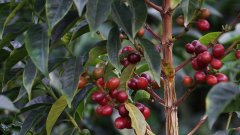
Limu Ethiopian grass and black sugar aroma fruit acid bright boutique coffee
The coffee-producing region of Ethiopia is divided into east and west parts by the East African Rift Valley, with lakes, volcanoes, lowlands, plateaus and woodlands interlaced, each evolving. Ethiopia has the most diverse coffee ecosystem in the world (forest coffee, semi-forest coffee, pastoral coffee and plantation coffee), which also preserves its rich Arabica genes. The eastern half is mostly plateaus, coffee beans.

Fruit acid Bright Ethiopian coffee estate producing area Flavor Taste characteristics Variety Brand introduction
Ethiopia's coffee-producing areas are divided into east and west parts by the Great Rift Valley. Lakes, volcanoes, lowlands, plateaus and woodlands alternate and evolve independently. Ethiopia has the most diverse coffee ecosystem in the world (forest coffee, semi-forest coffee, pastoral coffee and plantation coffee), which also allows it to preserve its rich Arabica genes. The eastern half is mostly plateau, coffee bean mouth
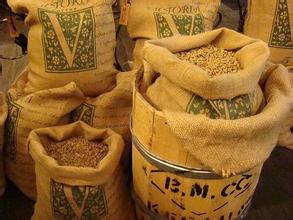
Djimmah, an Ethiopian coffee producing area, follows the ancient method to take the sun treatment class.
The coffee-producing region of Ethiopia is divided into east and west parts by the East African Rift Valley, with lakes, volcanoes, lowlands, plateaus and woodlands interlaced, each evolving. Ethiopia has the most diverse coffee ecosystem in the world (forest coffee, semi-forest coffee, pastoral coffee and plantation coffee), which also preserves its rich Arabica genes. The eastern half is mostly plateaus, coffee beans.

Coffee Historical Origin Development Culture Ethiopian Coffee Culture Coffee Origin Myth
Coffee was first found in the Kaffa region of southwestern Ethiopia, and it is said that a shepherd named Kaldi found that his goat behaved strangely after eating cherries he found growing on a tree there. Kaldi personally tasted the cherries and shared them with his neighbors, who all felt a similar effect and were significantly more energetic. Ethiopia

Introduction to the grading system of Bancimagi Coffee beans in Ethiopia
Although the flavor of Bancimaji Gesha estate is different from that of Panamanian Geisha, it is still worth tasting, because tonality is very rare in Ethiopia, and the ever-changing flavor of spices and fruits is worth trying. The story behind the coffee is even more shocking. In short, it is worth tasting! The Ethiopian sun is sour and sweet, and the flavor of the complex ripe fruit is a little bit.

How much does the coffee training course cost? how much is the salary of the barista apprentice?
Professional coffee knowledge exchange more information about coffee beans Please follow the coffee workshop (Wechat official account cafe_style) holding a cup of coffee, walking on the way to work or class, is already the scenery of the city. If you are also a corner of the scenery and love the aroma of coffee, have you ever wondered whether, instead of drinking coffee made by others every day, you can one day become a coffee maker for others?

Flavor characteristics of all coffee bean producing areas in Ethiopia how much is a cup of Ethiopian coffee
Professional coffee knowledge exchange more coffee bean information please follow the coffee workshop (Wechat official account cafe_style) Jinma (bulk commercial bean producing area): 1350 to 1850m above sea level | Forest / semi-forest system | Jinma is the capital of Kafa forest or Kafa province. The English spelling is very messy, most of the maps are jimma, but the coffee sacks are spelled into Djimmah. This is Esseobi.

Ethiopian Coffee Bean Story the characteristics and flavor of coffee beans native to Yegashifi and Sidamo
Professional coffee knowledge exchange more coffee bean information Please follow the coffee workshop (Wechat official account cafe_style) when we talk about coffee in Ethiopia, some people will use the words jasmine, rose fruit, magnolia and other words to describe the smell of flowers, but have you ever wondered why these specific varieties with floral flavor are often summed up as "native species"? In the third wave

Characteristics of several major coffee producing areas in Ethiopia introduction of varieties describing the flavor of manor beans
Ethiopian coffee bean flavor description taste Yilu Babo (bulk commercial bean producing area): 1350-1850 above sea level | Forest / semi-forest coffee system | this area is located in the west of Ethiopia, bordering Sudan, and is the most convenient producing area in the west. the complexity of coffee gene is only lower than that in Kafa forest, and the bean grain is significantly larger than Yerjasuffi and Sidamo, with low acidity and good viscosity.

Introduction to the quality characteristics of coffee flavor description and treatment in Ethiopia
Readers of Ethiopian Coffee who are interested in Ethiopian boutique beans can pay more attention to the producing areas of Sidamo, Yegashifi (especially rare sun-dried beans), Harald, Lim and Jinbi, whose strong orange and floral aromas are different from those of Central and South American beans. Ethiopia is a treasure trove of coffee genes. Experts estimate that there may be more than 2,000 Arabica subspecies hidden in Ethiopia.

Conditions for growing coffee beans grow coffee at home
For professional baristas, please pay attention to the coffee workshop (Wechat official account cafe_style) Coffee is generally suitable for growing in places where the climate is warm, sunny and Rain Water is moderate (alternating wet and dry climate). The circular zone centered around the equator and between the north and south latitudes of 25 degrees is the natural growth area of coffee, which is usually called the coffee belt. 1. Climatic conditions

Ethiopian coffee bean native species of coffee bean producing area description of taste and flavor
Ethiopia has nine major coffee producing areas:, Sidamo, Yegashefi, Hara, Gemma, Lim, Iruba, Gimbi (Lekanti), Tibby, and Bebeca. Among the nine major coffee producing areas in Ethiopia, the most famous are Yegashifi, Sidamo and Harald, the largest coffee producing areas.

Do you understand the meaning of mocha?
First, it refers to coffee beans; the earliest mocha refers to a kind of coffee beans exported from the port of Mocha in Yemen. It is produced in Ethiopia in Africa and is one of the most sour coffee. Mocha coffee is also known as Ethiopian coffee. When used in flavored fancy coffee, mocha refers to hot coffee with hot chocolate and whipped cream, because mocha means chocolate.
The meaning of mocha
Sitting in a cafe, flipping through recipes and reading coffee magazines, you will inadvertently come across a lot of Mocha, which is a simple word for mocha, but has many meanings. First, it refers to coffee beans; the earliest mocha refers to a kind of coffee beans exported from the port of Mocha in Yemen. It is produced in Ethiopia in Africa and is one of the sour coffee. Mocha coffee is also known as Ethiopian coffee.